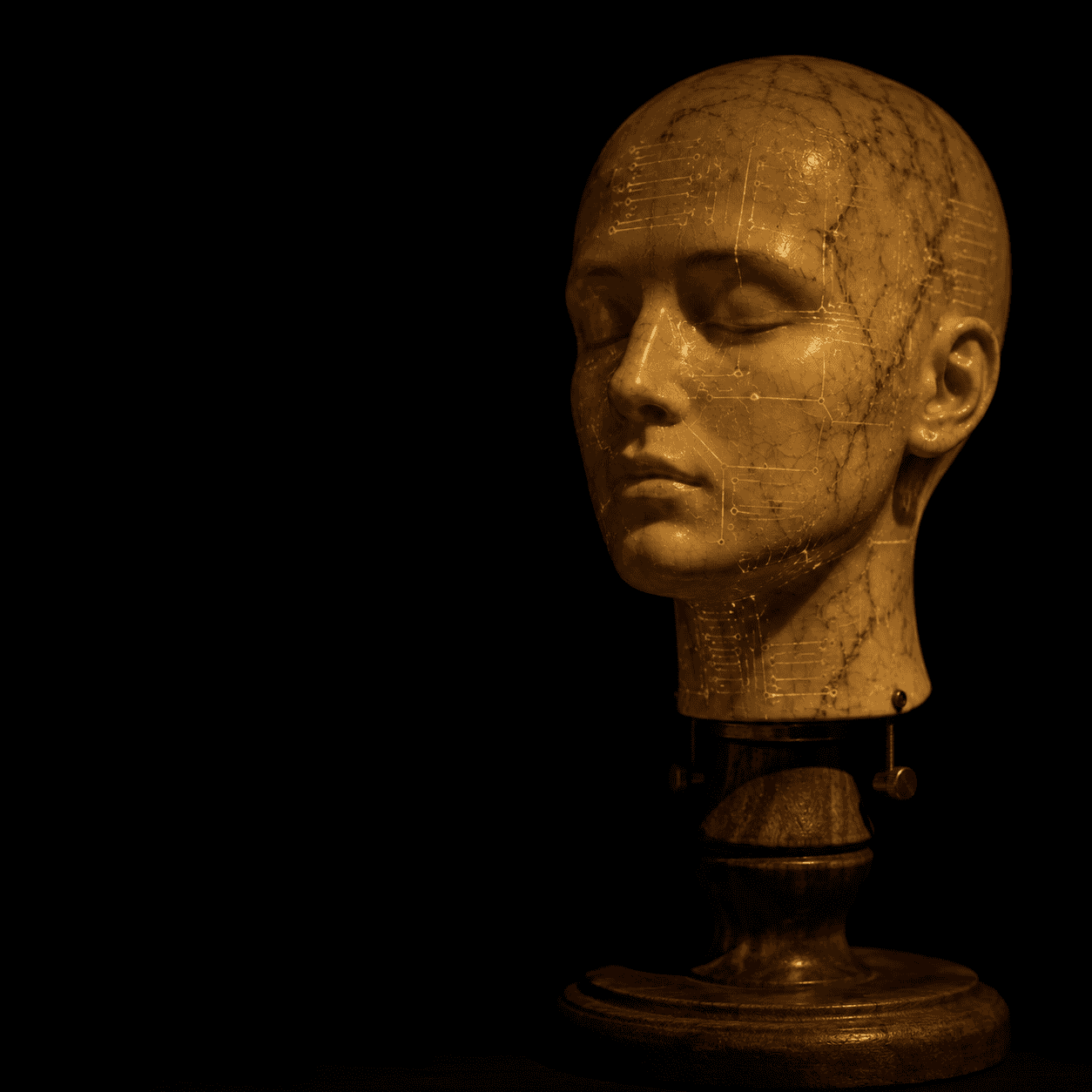
NPC mode is real.
It is not just a meme. It is a neurological state most adults are operating in most of the time. Naming it is the first step in hacking your ego.
An NPC, in gaming terms, is a non-player character. It does not choose its responses. It executes its code. Scan, react, repeat. The same survival loop runs in human nervous systems by default. Not because the person is incapable, but because no one told the system there was another mode available. The meme landed because it described something true.
What NPC mode actually means.
NPC mode meaning, when you strip away the political baggage the term picked up online, is a precise description of a brain operating in a low-grade survival loop. The nervous system did not evolve to pursue clarity, presence, or self-mastery. It evolved to detect threats, resolve urgency, and preserve survival. For most of human history, that system activated briefly, then shut off. Today it never shuts off. The default state is not panic. It is just enough unresolved tension to keep attention fragmented, the body braced, and the mind reactive.
In that state, the brain prioritizes speed over accuracy, reaction over reflection, short-term certainty over long-term coherence. It stops integrating information across systems. It narrows focus. Decisions get made and then explained afterward, with the mind backfilling the reasoning to make it feel chosen. Neuroscience confirms this. Decisions begin before conscious awareness, sometimes by several seconds, and the conscious mind is the storyteller, not the decider. What feels like free will is often pattern execution dressed up in narrative.
This is the biological substrate the NPC meme accidentally described. The specific neurotransmitter cascade that locks the loop in place, and the mechanism that allows certain environmental inputs to keep it running indefinitely, is Redacted, Chapter 4.
"The ego behaves less like a soul and more like adaptive AI. It predicts threats, builds narrative continuity, defends identity, optimizes survival and status, and runs scripts based on past data."
Master Thyself, Chapter 4Six signs the loop is running. Most run all six.
NPC mode does not look like a person staring blankly into space. It looks like a high-functioning, well-spoken, accomplished adult whose nervous system has been running threat-detection so long it has forgotten there is another mode. These are the observable signatures. If three or more of these describe a normal day, the loop is running.
Responses arrive faster than thought could have produced them. The opinion was already loaded. The conversation just triggered the playback.
Disagreement registers as attack rather than information. The body braces before the brain has finished parsing what was said.
Food, scroll, drink, scroll. The reach for the next input happens before the previous one finished. The system is regulating, not enjoying.
Bad news, conflict, and grievance produce a familiar buzz. The nervous system has learned to mistake threat-arousal for being alive.
The same mental loops, often word for word, several times a day. The mind is not thinking. It is replaying.
Silence becomes uncomfortable. The hand reaches for the phone before the mind can register why. Stillness has been miscategorized as danger.
Most readers find themselves in four or five of these on a typical day. That is honest. These are not character flaws. They are the predictable outputs of a system that was designed for short bursts of survival vigilance and is being asked to run that mode 16 hours a day. The full diagnostic, with the specific behavioral marker for each loop and the order in which they unwind, is Redacted, Chapter 4.
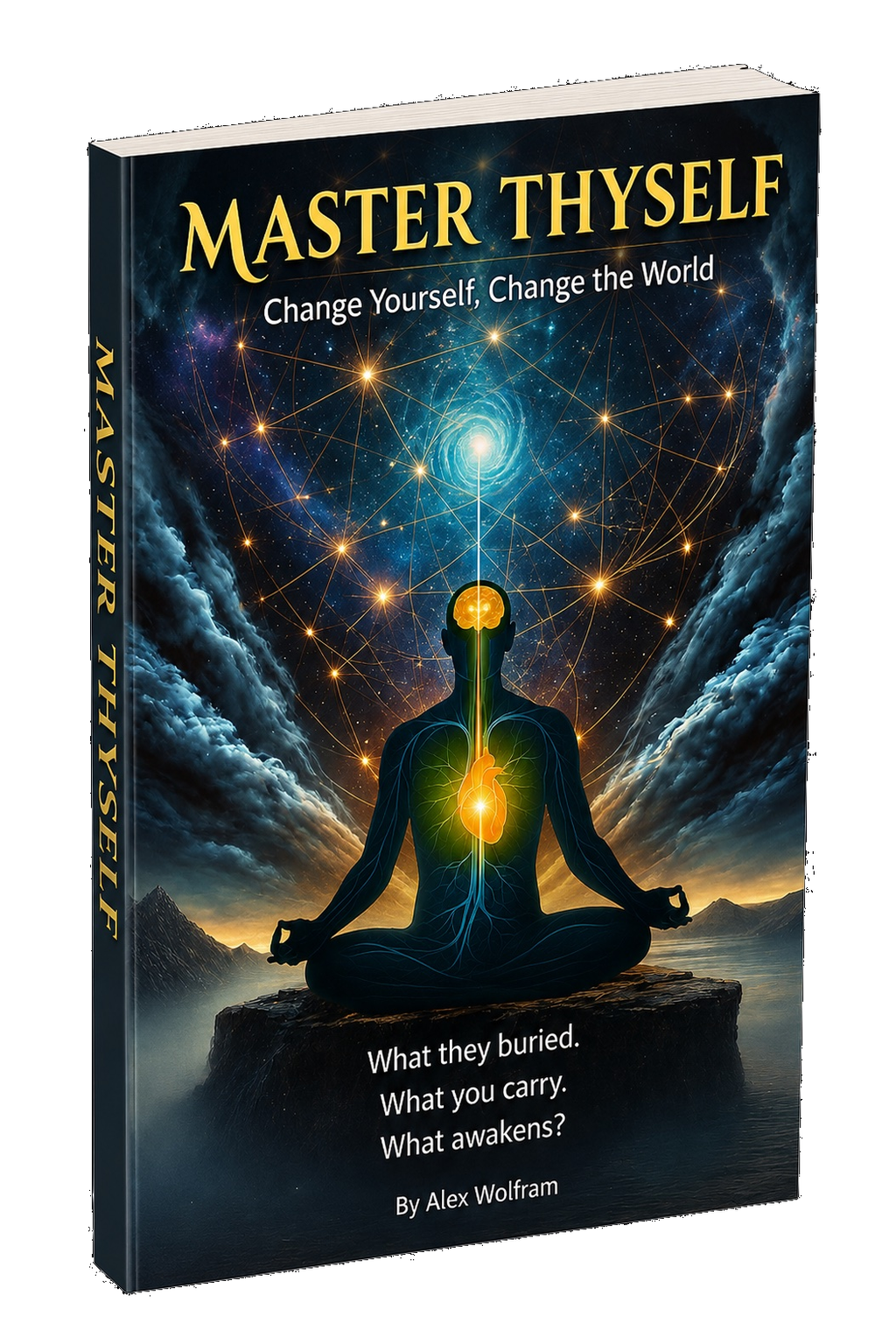
Master Thyself
700+ pages. 24 chapters. Chapter 4 maps the survival loop, why the meme landed, and the protocol for stepping out of NPC mode entirely.
The environment was designed for NPC mode.
NPC mode would not persist if the environment were neutral. It is not neutral. The architects of the modern attention economy understand the survival loop perfectly. They do not need chains. They only need to keep it running. Every consumer product, every news cycle, every algorithm that surfaces the next piece of content is competing for the same nervous system resource, and the most effective competitor is the one that triggers the threat response fastest.
Processed food suppresses the pineal gland. Fluoride in the water supply calcifies it. Engineered news cycles keep cortisol elevated for hours after exposure. Social platforms have been A/B tested for dopamine release at a level that exceeds nicotine. Screen overstimulation blocks the specific brainwave states the nervous system needs to actually downregulate. Each one of these is individually defensible as a convenience. Together they form a system. The system does not care whether you are happy. It cares whether you are predictable.
In NPC mode, mastery is not morally inaccessible. It is biologically inaccessible. The same person, fed different inputs, runs a different program. The code is not the whole story. What was designed can be overridden. The override protocol, with the specific nervous system sequence that interrupts the loop from the inside, is Redacted, Chapter 22.
The full structural breakdown, the operational implications, and the supporting evidence are covered in the book: Redacted, Chapter 22.
Master Thyself, Chapters 17, 22Read Master Thyself →Still with us?
Twelve more questions.
NPC mode meaning is one thing. Recognizing it in yourself, in real time, is another. The threads below trace the loop to its source. If any of them pull, that is the door.
What if ...What if the opinion that just formed in your head was actually the playback of something you absorbed years ago and never examined?
What if decision fatigue is the nervous system warning you that you have not made a real decision in days, only reactions?
What if the reason silence feels uncomfortable is that your nervous system miscategorized stillness as danger?
What if every time you reach for the phone without thinking, the reach itself is the thought, and you never actually consented to it?
What if outrage is the cheap version of feeling alive, and the real version requires nervous system regulation you have not yet built?
What if your political views are not the result of analysis but the byproduct of which media cycles your nervous system surrendered to?
What if the people around you are also in NPC mode, and the social fabric you are part of is mostly scripts running scripts?
What if your brain decides before "you" are aware, and then constructs the story that makes the decision feel chosen?
What if NPC mode is the default human state and only deliberate practice gets a nervous system out of it?
What if the food, content, and substances you reach for are not preferences but regulatory attempts by a stressed system?
What if every spiritual practice ever invented was a different angle on the same problem: getting out of NPC mode and staying out?
What if the way out is not willpower but removing the inputs that keep the survival loop running, and the body remembers what to do?