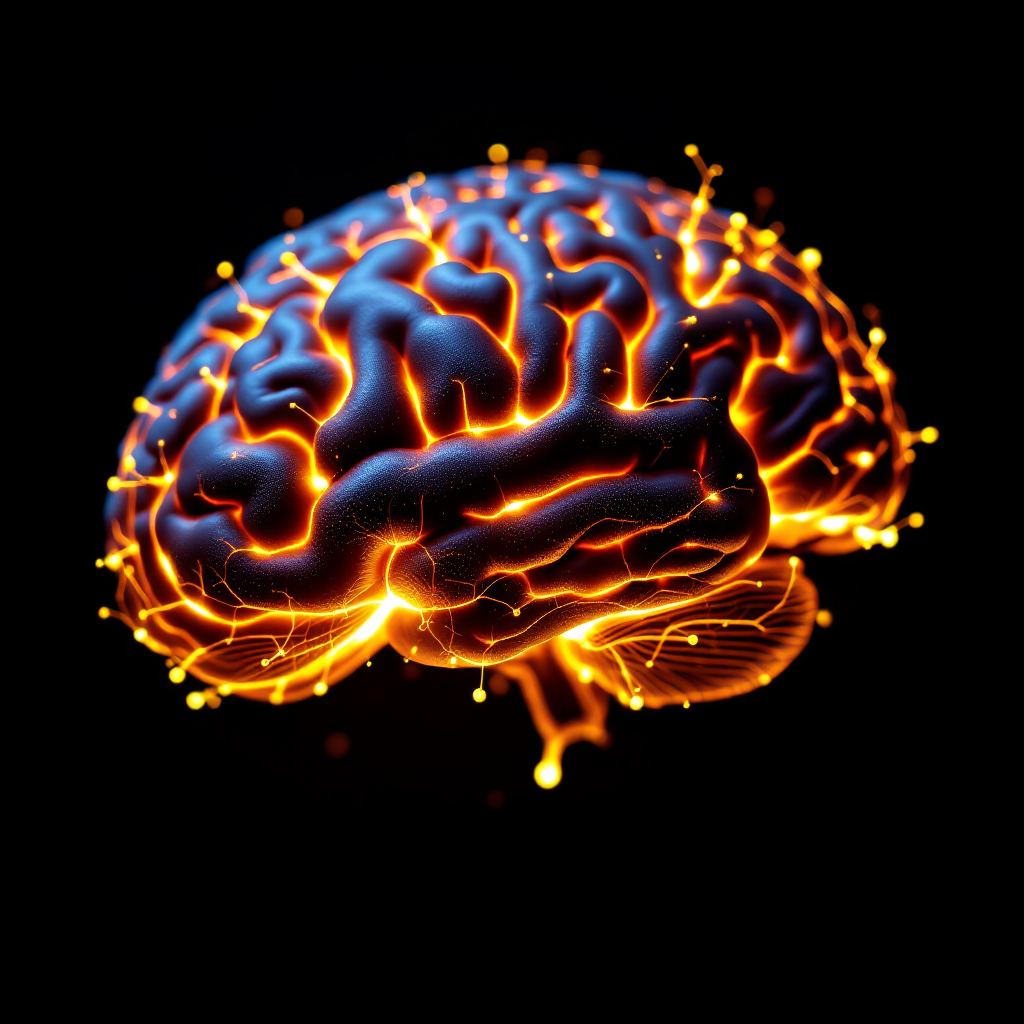
Learning how to reprogram the subconscious mind is the single most powerful shift you can make toward genuine sovereignty. The subconscious runs approximately 95% of your daily behavior, executing patterns you didn’t consciously choose. These patterns were installed early, through repetition, emotion, and cultural conditioning, before your critical thinking came online. By the time you developed the capacity to question them, the code was already running. But what was programmed can be reprogrammed. The question is not whether it’s possible, but whether you’re willing to engage the mechanism deliberately.
What the Subconscious Actually Is
The subconscious mind is not a mystical entity. It’s the processing layer beneath conscious awareness that stores memories, automates behavior, and filters perception according to patterns established through repetition and emotional charge. While your conscious mind handles logical thought and active decision-making, your subconscious governs automatic responses, beliefs about reality, and the regulatory signals your nervous system sends to your body. It doesn’t evaluate truth. It executes what was installed.
Neuroscience confirms this division of labor. The prefrontal cortex, responsible for conscious reasoning, operates slowly and requires significant energy. The subconscious, distributed across deeper brain structures including the limbic system and basal ganglia, operates quickly and efficiently. This is why you can drive a familiar route while thinking about something entirely different. The subconscious handles the execution while your conscious mind is elsewhere. When those automated patterns serve you, this division is elegant. When they don’t, you remain trapped in loops you consciously reject but behaviorally repeat.
Understanding how to reprogram the subconscious begins with recognizing that it responds to specific inputs. Logic and willpower alone rarely penetrate this layer. The subconscious was not built through rational argument, and it will not be rebuilt through it. It was built through neuroplasticity, the brain’s ability to reorganize itself by forming new neural connections throughout life, driven by repetition, emotional intensity, and the state of your nervous system when the input arrived. Those same mechanisms are what reprogram it.
Why Most Attempts Fail
Most people try to change through conscious effort alone. They set intentions, repeat affirmations, and hope the new pattern takes root. When it doesn’t, they assume they lack discipline or that transformation requires decades. Both conclusions are false. The failure happens because the method bypassed the access point entirely.
The subconscious does not accept input continuously. It has gates. Those gates open during specific states: theta brainwave activity, emotional arousal, moments of perceived safety, and the threshold windows between waking and sleep. Outside those windows, new information is processed consciously but rarely stored subconsciously. It enters the system as a passing thought rather than an embedded pattern. This is why reading a self-help book rarely changes behavior. The information lands in the wrong layer.
Another common failure point is attempting reprogramming while the nervous system signals threat. When your body registers danger, real or imagined, the subconscious prioritizes survival. It will not reorganize its core programming when it believes you are under attack. Chronic stress, unresolved trauma, and environments that keep the sympathetic nervous system activated all lock the gates from the inside. Reprogramming requires safety first, then access, then repetition. Skip any of those steps and the new pattern will not stabilize.
The Biological Access Points
If you want to reprogram the subconscious, you must understand when it is most receptive. The brain cycles through measurable electrical states throughout the day, and only certain states allow deep imprinting. Beta waves, the dominant frequency during waking activity, keep the critical filter active. Alpha waves, present during relaxation, lower that filter slightly. Theta waves, typically occurring during deep meditation, light sleep, and the transitions around waking and sleeping, open the gate fully.
The most accessible theta window is the first 10 to 15 minutes after waking. In this hypnopompic state, the brain has not yet fully shifted into beta, and the subconscious remains permeable. What you think, visualize, or speak aloud during this window imprints with disproportionate force. The reverse window, just before sleep, functions similarly. This hypnagogic state allows input to bypass the critical faculty and enter directly into the pattern-storage system. Ancient traditions recognized these thresholds without naming the brainwave states. Modern neuroscience simply confirmed what the mystics already practiced.
There is a third window, less known but equally potent: the period between 3 and 4 AM. Cortisol has not yet risen, REM cycles thin, and the boundary between conscious and subconscious processing becomes exceptionally permeable. Religious traditions across the world independently identified this hour as optimal for prayer and inner work. The Church later rebranded it as the devil’s hour, ensuring people would fear rather than use it. But the gate remains open whether you were taught to avoid it or not. If you wake naturally during this window, you are already at the threshold. Use it.
Repetition, Emotion, and the Imprint Mechanism
Reprogramming the subconscious mind requires two forces working together: repetition and emotional charge. Repetition alone can install a pattern, but it takes far longer without emotion. Emotion accelerates the process because the brain treats emotionally charged experiences as survival-relevant information that must be remembered. Fear, desire, joy, shame, all recruit more neural resources and prioritize the memory for long-term storage. This is why a single traumatic event can reshape behavior for years, while a hundred neutral repetitions may leave no trace.
The mechanism is straightforward. Every thought or behavior that repeats strengthens the neural pathway associated with it. Neurons that fire together wire together, as the saying goes. Over time, the pathway becomes automatic. The subconscious begins executing it without consulting conscious awareness. This is how habits form, how beliefs solidify, and how identity becomes defended as truth rather than recognized as software. To reprogram, you must establish a new pathway and repeat it with enough frequency and emotional intensity that it overtakes the old one.
This is where most people unknowingly sabotage themselves. They repeat the new affirmation or visualization once per day in a neutral emotional state, while unconsciously repeating the old pattern dozens of times throughout the day in states of frustration, fear, or shame. The old pattern wins by sheer repetition and emotional weight. If you want the new code to take, you must tip the balance. That means reducing the frequency of the old pattern, increasing the frequency of the new one, and pairing the new pattern with genuine emotion rather than mechanical recitation. For more on ego dissolution and sovereignty, this principle becomes the foundation of every practice that follows.
Practical Tools for Subconscious Reprogramming
The tools below are not theoretical. They are functional access points to the subconscious, each validated by either neuroscience, centuries of traditional use, or both. Select the ones that fit your life and apply them consistently. Sporadic effort produces sporadic results. The subconscious responds to pattern, not intention.
Morning Theta Imprinting: Set an alarm 10 minutes earlier than necessary. When it rings, do not reach for your phone. Remain still, eyes closed, and speak your new pattern aloud or visualize it vividly. The subconscious is still online. What you imprint here shapes the day more than anything you do consciously later. Repeat daily. The installation happens through cumulative exposure, not a single session.
Pre-Sleep Visualization: In the final minutes before sleep, replay your desired reality as if it is already occurring. Engage all senses. Feel the emotions you would feel if the change were complete. Do not analyze or question. Simply experience it. As you drift into sleep, the subconscious continues processing what you fed it. This is not fantasy. It is deliberate rehearsal in the state where rehearsal actually rewrites code.
Affirmations Spoken in Coherence: Affirmations fail when spoken mechanically. They succeed when spoken from a state of nervous system safety and emotional alignment. Before speaking the affirmation, spend 2 to 5 minutes in coherent breathing: inhale for 5 seconds, exhale for 5 seconds. This rhythm calms the stress response and signals safety. Once your body is steady, speak the new belief as if it is already true. Repeat it 10 to 20 times. The coherence state is what opens the gate. The repetition is what walks the pattern through it.
Hypnosis and Guided Theta Induction: Hypnosis is not mind control. It is guided access to theta. A skilled practitioner or a well-designed audio program can induce the brainwave state where suggestion bypasses the critical filter. In that state, new beliefs can be installed with precision. The key is ensuring the suggestion aligns with what you consciously want. Hypnosis does not override free will, but it does bypass the intellectual gatekeeper that normally rejects unfamiliar ideas. Used intentionally, it is one of the fastest reprogramming tools available.
Neuro-Linguistic Programming Techniques: NLP offers a toolkit for shifting subconscious patterns by changing the sensory structure of how memories and beliefs are stored. Techniques like anchoring, reframing, and submodality shifts allow you to alter the emotional charge or meaning attached to a memory without changing the facts. For example, a traumatic memory stored as a bright, loud, close-up film can be mentally reprocessed as a distant, quiet, black-and-white image. The event remains the same, but its impact on the nervous system changes. This is not denial. It is editing the code.
Binaural Beats and Brainwave Entrainment: Audio programs using binaural beats or isochronic tones can guide the brain into specific frequencies, including theta. When listening through headphones, the brain perceives a third tone created by the difference between two frequencies played separately in each ear. This perceived tone can entrain brainwaves toward the target state. Pair entrainment audio with affirmations, visualization, or simply silent receptivity. The audio does not do the reprogramming. It opens the gate so your intentional input can land deeper.
The Nervous System Safety Requirement
No reprogramming tool will succeed if your nervous system is locked in a chronic threat state. The subconscious was designed to prioritize survival above all else. When cortisol is elevated, when the body believes it is in danger, when unresolved trauma keeps the sympathetic nervous system activated, the subconscious will not reorganize. It will defend. This is not resistance. It is biology.
Before attempting any reprogramming protocol, assess your baseline state. Do you feel safe in your environment? Is your body chronically tense? Are you sleeping poorly, eating reactively, or constantly overstimulated by screens and conflict? If yes, the first work is not affirmations or visualization. The first work is restoring the body’s biological rhythms so the nervous system can down-regulate. Coherent breathing, time in nature, reducing stimulant intake, and establishing consistent sleep and wake times all signal safety. Once the body believes it is no longer under attack, the subconscious becomes receptive.
This is also why fasting, when done correctly, supports reprogramming. A 3-day water fast reduces inflammation, lowers cortisol after the initial adjustment period, and shifts the brain into a state of heightened neuroplasticity. The body interprets the fast as a reset signal rather than a threat, provided you enter it from a place of preparation rather than panic. The protocols for the full synthesis detail exactly how fasting, timing, and nervous system coherence converge to open the deepest access to subconscious reprogramming.
What to Program and What to Avoid
Not every desire belongs in the subconscious. Egoic cravings, rooted in lack or comparison, produce noisy signals that collapse coherence. The subconscious does not distinguish between genuine desire and compensatory fantasy. It simply executes what is repeated with emotion. If you program it with fear-based goals, you will manifest fear-based outcomes. If you program it with desires that serve only the inflated self, you will generate results that reinforce fragmentation rather than wholeness.
The most effective subconscious programming aligns with coherence, balance, and service. Instead of programming for wealth because you fear scarcity, program for the inner state of someone who already feels abundant. Instead of programming for a specific romantic partner, program for the capacity to give and receive love without attachment. Instead of programming for external validation, program for self-trust and inner knowing. The subconscious responds to state more than content. When the state is coherent, the external results follow naturally without the desperation that sabotages manifestation.
Also critical: remove contradictory programming before layering in the new. If your subconscious holds a deep belief that you are unworthy, repeating affirmations of worthiness will trigger internal conflict. The old pattern will fight the new one, and the result will be confusion rather than transformation. This is why shadow work, the process of identifying and integrating unconscious beliefs, often precedes successful reprogramming. You cannot install new code on top of corrupted files and expect clean execution. The old belief must be identified, acknowledged, and consciously released before the new one stabilizes.
When Reprogramming Becomes Mastery
Reprogramming the subconscious is not a one-time event. It is an ongoing practice of deliberate authorship over the code running beneath conscious awareness. The goal is not perfection but direction. Every time you catch an old pattern running and consciously choose a new response, you weaken the old pathway and strengthen the new one. Every time you enter a theta state with clear intention, you accelerate the installation. Over time, the new pattern becomes automatic, and what once required effort becomes effortless.
This is where reprogramming becomes mastery. You are no longer fighting your subconscious. You are directing it. The patterns that once governed you are now tools you deploy with precision. You still experience emotion, but you are no longer controlled by it. You still encounter triggers, but you respond rather than react. The subconscious, once a source of limitation, becomes the engine of transformation. And that shift, from being run by the code to running the code, is what sovereignty actually means.
What this article has outlined is the entry point. The biological access windows, the emotional charge requirement, the nervous system safety protocol, and the practical tools are all functional and sufficient to begin. But the deeper synthesis, the integration of fasting, lunar timing, theta mastery, and the specific mechanisms that align subconscious reprogramming with the body’s natural regenerative cycles, is covered fully in Chapter 22 of Master Thyself. That chapter maps the complete protocol: when to fast, how to time the work, and REDACTED, READ CHAPTER 22.
The Body as the Instrument of Change
One layer often overlooked in subconscious reprogramming is the body itself. The subconscious does not exist only in the brain. It is distributed throughout the nervous system, including the gut, the heart, and the fascia. Trauma is stored in tissue. Belief is encoded in posture. The way you breathe, move, and hold tension all communicate to the subconscious what state you are in and what patterns to execute.
This is why somatic practices, yoga, breathwork, and even deliberate changes in posture, can reprogram the subconscious without a single affirmation. When you stand differently, the nervous system receives a different signal. When you breathe slowly and deeply, the body interprets safety. When you release chronic tension through movement or massage, you dissolve the physical anchor holding an old emotional pattern in place. The subconscious reads the body’s signals continuously. Change the body, and you change the code running beneath it.
Conversely, attempting to reprogram the subconscious while maintaining the same physical habits produces limited results. If your body is chronically slouched, if your breath is shallow, if your diet keeps your blood sugar spiking and crashing, the nervous system remains dysregulated. Dysregulation overrides intention. The subconscious will continue executing survival-based patterns because the body is signaling that survival is still the priority. To reprogram deeply, you must address the whole system: mind, emotion, and body together.
Repetition Without Attachment
One final principle separates effective reprogramming from spinning in place: repetition without attachment. The subconscious requires repeated exposure to install a new pattern, but obsessive monitoring of results collapses the process. When you check constantly to see if the reprogramming is working, you reinforce the belief that it hasn’t worked yet. The act of checking broadcasts lack, and the subconscious records that signal instead of the desired state.
The paradox is real. You must care enough to be consistent, but detached enough to stop evaluating progress. The new pattern is installed through steady repetition, not through anxious measurement. Trust the mechanism. If you are entering theta states regularly, pairing the new belief with genuine emotion, and repeating it daily, the code is being rewritten whether you feel it immediately or not. The subconscious does not announce its updates. It simply begins executing the new program, and one day you notice you responded differently without trying. That is the confirmation.
This is also why patience matters. Neuroscience suggests it takes approximately 21 to 66 days for a new behavior to become automatic, depending on complexity and consistency. The subconscious is not slow. It is thorough. It will not replace a deeply rooted pattern after three sessions. It will replace it after three months of deliberate, emotionally charged repetition in the correct brainwave state. If you are not willing to commit that time, you are not ready to reprogram. And that is fine. Readiness itself is part of the process.
Closing Reflections
Learning how to reprogram the subconscious is not optional if you want genuine freedom. The patterns running beneath your awareness determine your perception, your reactions, and the reality you experience. Those patterns were installed without your permission, but they remain active only because they have not been consciously overridden. The tools exist. The access points are known. The only question is whether you will use them.
The subconscious is not your enemy. It is a system designed to automate behavior so your conscious mind can focus elsewhere. When it runs patterns that no longer serve you, the solution is not to fight it. The solution is to reprogram it deliberately, using the same mechanisms that installed the original code: repetition, emotion, theta access, and nervous system safety. Done correctly, the subconscious becomes the most powerful ally you have. It executes mastery automatically once mastery is installed.
This work is not mystical. It is mechanical. And the mechanism, once understood, is yours to operate. The cage was never locked. You simply didn’t know where the key was. Now you do.